
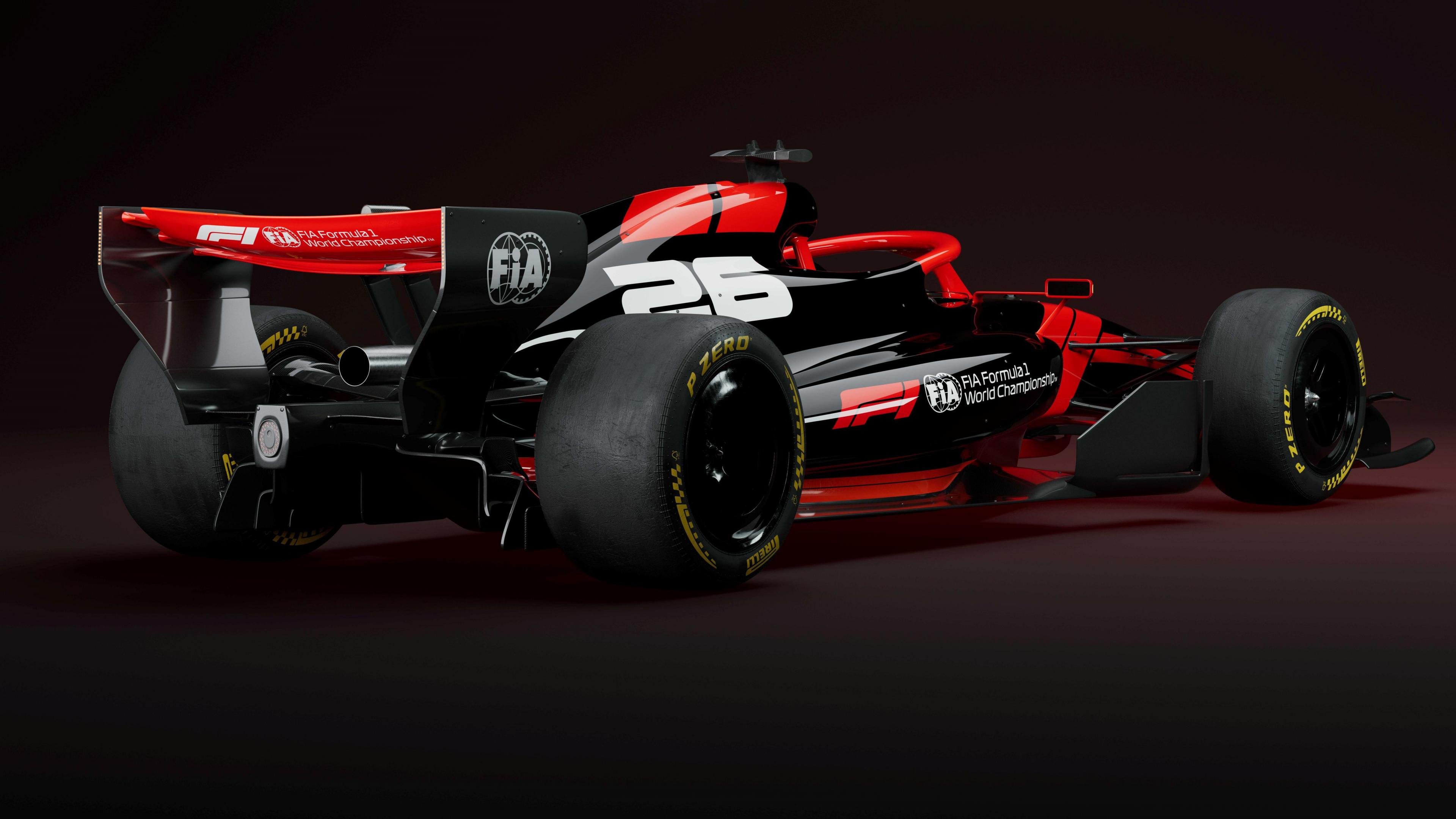
The 2026 Formula 1 cars are set to be smaller, nimbler and more environmentally friendly relative to present-day cars.
F1 has introduced the simplified terminology that will be used to reference the advanced features of its new 2026 regulations.
The racing series is implementing what is considered the biggest technical shift in its long history starting in 2026, featuring new chassis and engine rules and the mandatory use of eco-friendly fuels.
The new power units, which maintain the 1.6-litre V6 turbo hybrid, boast a significantly increased energy storage, necessitating major innovations in the aero packages.
During grand prix events, drivers will strategically manage battery power – potentially on qualifying laps – to extract the optimal lap time.
Broad surveys were undertaken with a wide range of fans, including dedicated enthusiasts and casual observers, to determine which terminology would make things clearer of the central aspects of the new regulations.
The stated goal was to render a set of intricate technical aspects of the racing as straightforward as possible for the broadest viewership.
Consequently, previous placeholder terms for some systems – such as "modes labelled X and Z" for the active aerodynamics – have been phased out in favor of straightforward terms that directly explain the actual function of the system.
Key Technical Innovations
Regulators explain that racers will have more power to choose strategies regarding battery management, energy recovery, and saving energy.
The new regulations mandate a range of settings that will be clearly indicated on television graphics to improve the audience's understanding of the race battle.
- Attack Mode: This replaces the current DRS. It provides a short boost of battery power accessible when a car is close behind the car ahead to execute an pass.
- Extra Push Mode: This is a driver-operated power boost from the hybrid system that can be utilized during overtaking or defending. It grants the driver maximum power at the click of a switch.
Both of these strategic tools will have to be managed carefully, as the total energy is restricted.
- Adjustable Aero: Both the nose and rear wings move automatically – spreading on the straights for reduced drag and top speed, and angling down in the corners for optimal cornering performance.
- Recharge: The system can recharge the energy store with regenerative braking, or during partial power application at the end of straights or in certain corners where only reduced throttle is used.
What's Changing on the Cars?
The vehicles for the new era will be more compact and lighter than this year, with a distance between axles cut by 200mm to 3,400mm, car width narrowed by 100mm – down to 1,900mm – and the lowest permissible weight decreased by 30kg.
Overall downforce is anticipated to be reduced by approximately fifteen to thirty percent, although squads will undoubtedly recover some as they optimize their packages.
Air resistance has been slashed by 40%. The vehicles will feature adjustable aero systems – both wings will open on the straight sections to reduce drag and boost top speed and return into place for peak handling.
Pirelli tyres will keep 18-inch wheel rims, but the tyres themselves will be slimmer, by 25 millimetres on the front axle and 30mm at the rear.
Power Unit Revolution
The revised hybrid units will have an approximate 50-50 split in power produced by the internal combustion engine and the ERS, increasing from about 20% battery contribution this year.
The hybrid system is simplified through the deletion of the complex turbo energy recovery device, the sophisticated and pricey component that recovered energy from the exhaust turbo.
Every car on the grid will be required to run on fully sustainable fuel, manufactured from organic sources or synthetic industrial processes.

